The construction industry is a fast-paced world, and when you're housebuilding, it is essential to keep costs down and to be efficient. From the early groundwork to final handovers, every phase of construction presents opportunities to streamline operations and reduce waste.
An area that is sometimes overlooked, which can see significant savings, is floor protection. Many sites rely on single-use materials that are costly, time-consuming to install, and environmentally unfriendly.
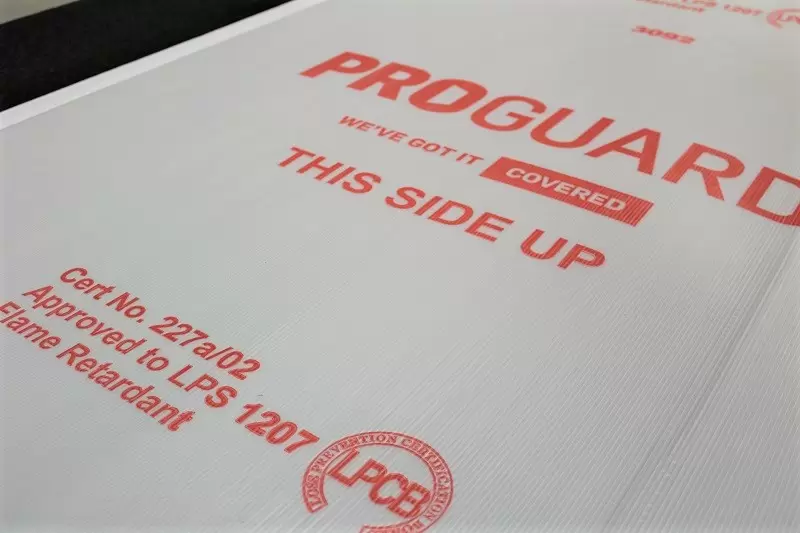
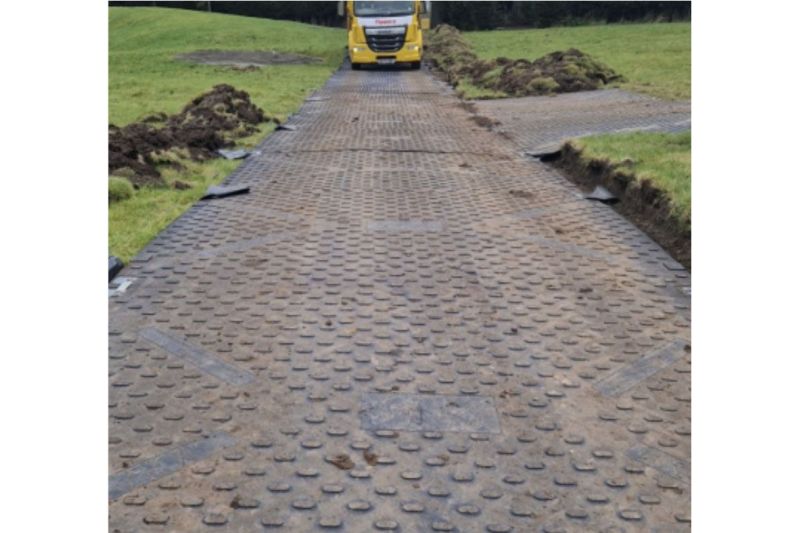
Reusable floor protection is a smarter alternative to work with as it offers construction workers a sustainable solution that can be used at each stage of a build. Reusable products, such as bufferboards, are durable and can reduce waste, cost and labour hours, while protecting finished surfaces during construction work.
In this article, we’ll explore five key ways reusable floor protection can save time and money on site, helping housebuilders work smarter and more sustainably.
1. Reduces material waste
One of the most significant benefits of switching to reusable floor protection is the reduction of material waste.
Single-use temporary floor protection, such as cardboard, paper-based coverings or plastic sheeting, will need to be replaced multiple times throughout a project. These materials can be easily damaged after just one use, especially in areas with high foot traffic or where heavy-duty materials are being used.
This increases the amount of waste a construction site produces, which in turn adds to disposal costs and the site's environmental impact.
Whether it’s protecting a subfloor during the early stages of a construction project or you need to protect finished surfaces, there are reusable alternatives that can be cleaned, stored, and reused for various jobs.
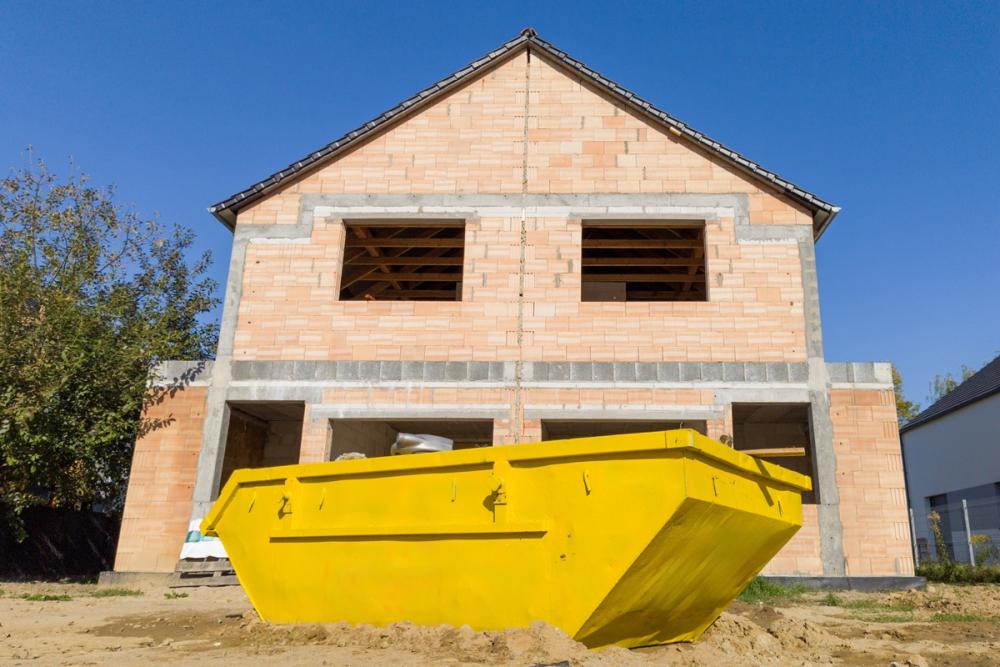
Reducing the amount of waste generated by your construction site will not only decrease the number of skips needed but also lower disposal fees and enhance the sustainable building practices of your site.
You might also like: How to reuse protection boards to cut costs and waste on multiple house builds
2. Reduces the installation and removal tim
Using reusable floor protection helps save time when installing and removing materials. Single-use materials generally require longer installation and removal times, as construction workers must carefully cut and tape them, and replace them more frequently.
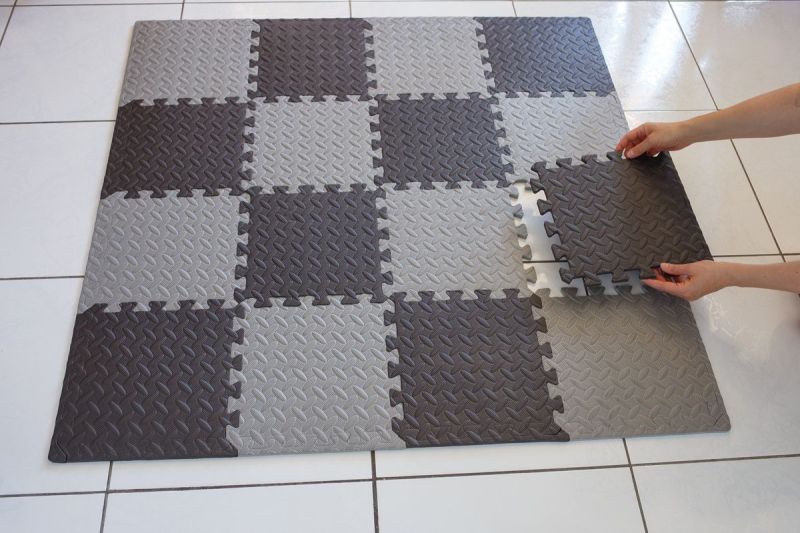
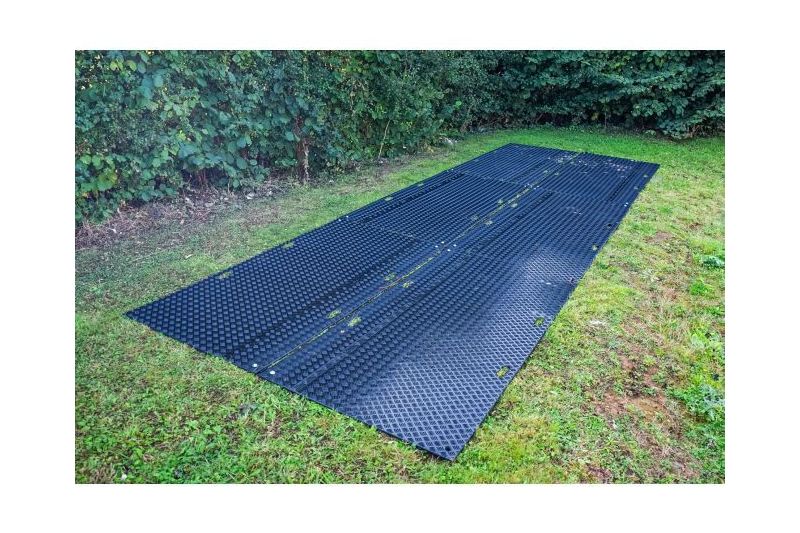
Many reusable products can be rolled out and put together more smoothly. As these floor protectors are built to last, they can stay in place throughout the construction work or be used in different areas of the construction project.
With less time spent on replacing worn-out coverings or re-laying damaged floor protection, you can be more efficient and stay on track to meet your deadline for completing the work.
You might also like: A guide to temporary floor protection
3. Minimises damage and repair costs
From heavy tools and muddy boots to accidental spills and dropped materials, flooring on a construction site is often vulnerable and at risk of damage.
Reusable floor protection will act as a durable barrier, keeping surfaces safe from scratches, chips, stains, and other common hazards that can delay the job and eat into budgets.
When you use high-quality reusable floor protection, you not only reduce the likelihood of floor damage but also save money and help ensure your project remains on time.
With our floor protection products, you can protect wooden flooring, tiles, and carpets, ensuring they remain in top condition throughout the build.
You might also like: How to lay a new floor without causing any damage
4. Supports site safety and organisation
Whilst reusable floor protection safeguards surfaces, it also helps you keep a construction site safer and more organised. Floor protection helps to keep walkways clean and free from debris, reducing the risk of slips, trips, and falls.
Some cheap single-use floor protection can tear and become a hazard themselves, whereas reusable products will remain secure, even in areas of a construction site with heavy foot traffic.
A site with clear and consistent floor protection will improve visibility throughout the site. When protected areas are clearly identified, it helps guide workers and visitors safely through active zones, reducing confusion and improving workflow. This is especially valuable on multi-phase builds where different trades are working simultaneously.
Reusable floor protection can be labelled, stored, and reused across plots or phases, reducing the need to constantly reorder materials, which is also better from a management perspective.
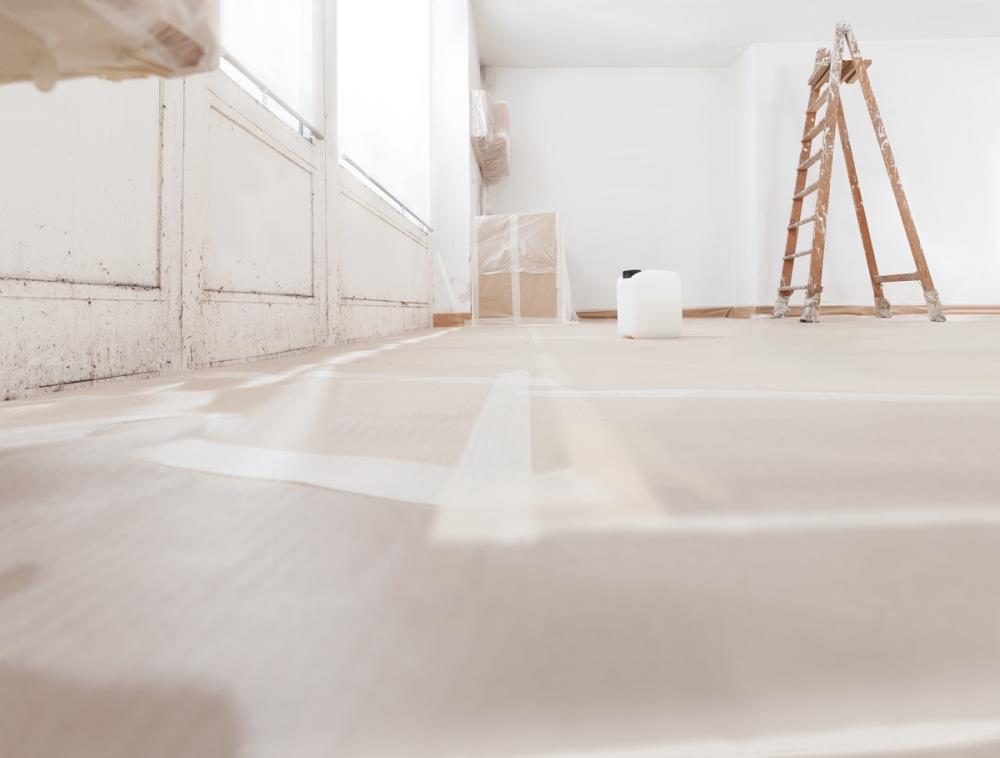
You might also like: How to protect floors when painting?
5. Improves a construction site's sustainability credentials
In today’s landscape, sustainability is no longer a nice-to-have; it is a significant priority for a lot of developers, contractors, and clients alike.
By replacing single-use coverings with reusable floor protection, you can help meet these expectations by reducing the volume of waste sent to landfill and lowering a site’s overall carbon footprint. It’s a simple switch that supports long-term environmental goals without compromising on performance.
Using reusable protection aligns with the construction industry’s efforts to adopt greener building practices. BREEAM (Building Research Establishment Environmental Assessment Method) is a leading global sustainability assessment and certification system that many large commercial and public building projects must follow. Working with reusable materials can contribute positively to these assessments.
In a market that increasingly values sustainability, using reusable floor protection is becoming an essential material.
Frequently Asked Questions about Reusable Floor Protection
How long does reusable floor protection typically last?
Reusable floor protection is designed for durability and can last through multiple construction projects. The lifespan of reusable floor protection varies significantly based on the material, usage, and care. Still, it can be used dozens of times, making it a cost-effective alternative to single-use materials.
Is reusable floor protection suitable for all types of flooring?
Yes, most reusable protection products are designed to be versatile and safe for a wide range of surfaces, including timber, tile, laminate, and carpet. Always check the product specifications to ensure compatibility with the type of flooring you want to protect.
Does reusable protection require special installation tools or training?
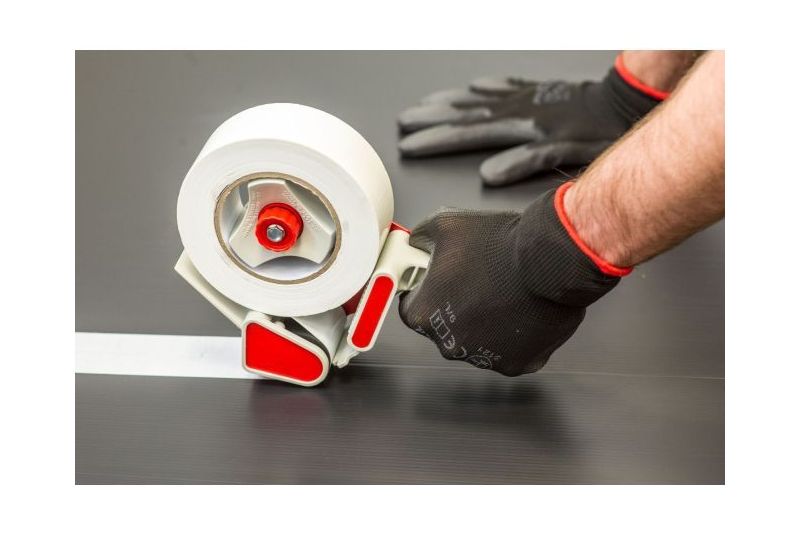
No, reusable floor protection is quick and easy to install, often requiring only a clean surface and basic securing methods, such as tape or clips.
How does reusable protection contribute to sustainability targets like BREEAM?
By reducing waste and lowering the need for frequent replacements, reusable floor protection supports responsible resource use and waste management, which are key criteria in sustainability frameworks like BREEAM. Using reusable materials not only contributes towards sustainability targets but also helps to reduce landfill and carbon emissions.
The benefits of reusable floor protection
Reusable floor protection provides housebuilders with a smart, long-term solution that delivers real value throughout every phase of a build. By reducing material waste, cutting down on labour time, preventing costly damage, and supporting safer, more organised sites, these products help construction workers. In addition to these benefits, they contribute to sustainability goals, which are becoming increasingly essential in today’s building industry.
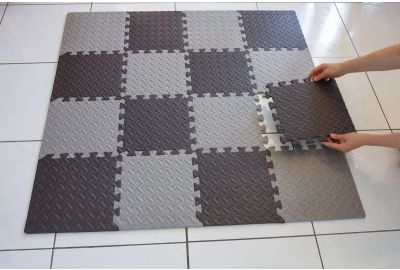
For reliable, reusable surface protection, explore our range of temporary protection products. Browse our range of products, which includes bufferboard and floor protection mats, or get in touch with any questions about them.
For more tips, guides, and advice, visit our news page.